
Small Asphalt Repairs That Make a Big Impact on Property Value
January 6, 2026
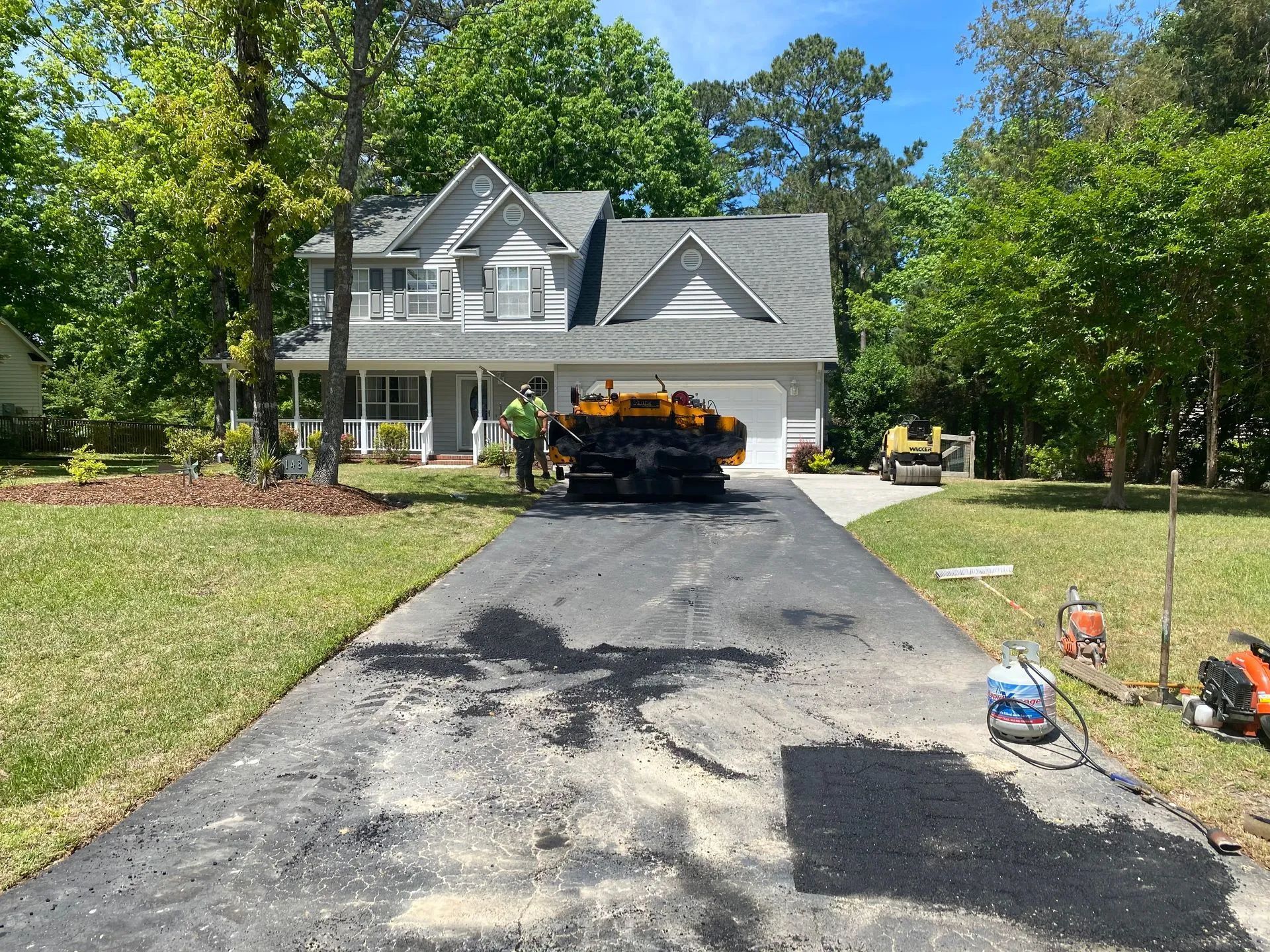
A property’s exterior is often the first impression prospective buyers or tenants experience. Among these exterior elements, asphalt surfaces—such as driveways, parking lots, and pathways—play a pivotal role in shaping perceptions of maintenance, quality, and overall property value. While major resurfacing projects can be costly and time-consuming, small asphalt repairs often deliver substantial returns by improving safety, functionality, and aesthetic appeal. Addressing minor cracks, potholes, and surface damage early can prevent larger structural issues, saving property owners significant costs over time.
Beyond practical benefits, well-maintained asphalt contributes directly to marketability. A clean, smooth, and crack-free driveway or parking area signals attention to detail and proactive care, boosting property value and buyer confidence. Conversely, neglecting even small imperfections can suggest deferred maintenance, deterring potential investors or buyers. In this context, understanding the types of small asphalt repairs, their impact, and best practices for implementation is essential for property owners, facility managers, and real estate professionals. This guide explores actionable strategies for leveraging minor asphalt repairs to maximize property value, enhance safety, and maintain long-term durability.
1. Identifying Common Asphalt Issues
Surface Cracks
Surface cracks are among the most common forms of asphalt damage. These can appear as thin hairline fissures or wider splits caused by weathering, freeze-thaw cycles, and vehicular traffic. While often seen as cosmetic, unchecked surface cracks allow water to infiltrate the base layers, weakening the pavement and accelerating deterioration.
Actionable Insight: Early crack sealing is a cost-effective solution. Using hot or cold pour crack sealants prevents water penetration and prolongs the life of the asphalt. Regular inspection of cracks, especially after winter or heavy rainfall, ensures timely repair.
Potholes and Depressions
Potholes are more than an aesthetic concern; they pose safety risks for pedestrians and vehicles. They typically form when water seeps into weakened asphalt layers, causing the material to erode under traffic loads.
Expert Reasoning: Small potholes can be repaired with patching techniques such as infrared asphalt repair or cold mix patches. Addressing potholes promptly reduces liability risks and maintains a smooth driving surface, enhancing overall property appeal.
Edge Crumbling
Edges of driveways or parking lots often deteriorate faster due to erosion, traffic, and improper support. Crumbling edges not only look unsightly but can spread, undermining the integrity of the pavement.
Best Practice: Install edge restraints or reinforce borders with gravel or compacted base material before performing minor edge repairs. This ensures long-term stability and prevents recurring damage.
2. Benefits of Small Asphalt Repairs
Enhanced Curb Appeal
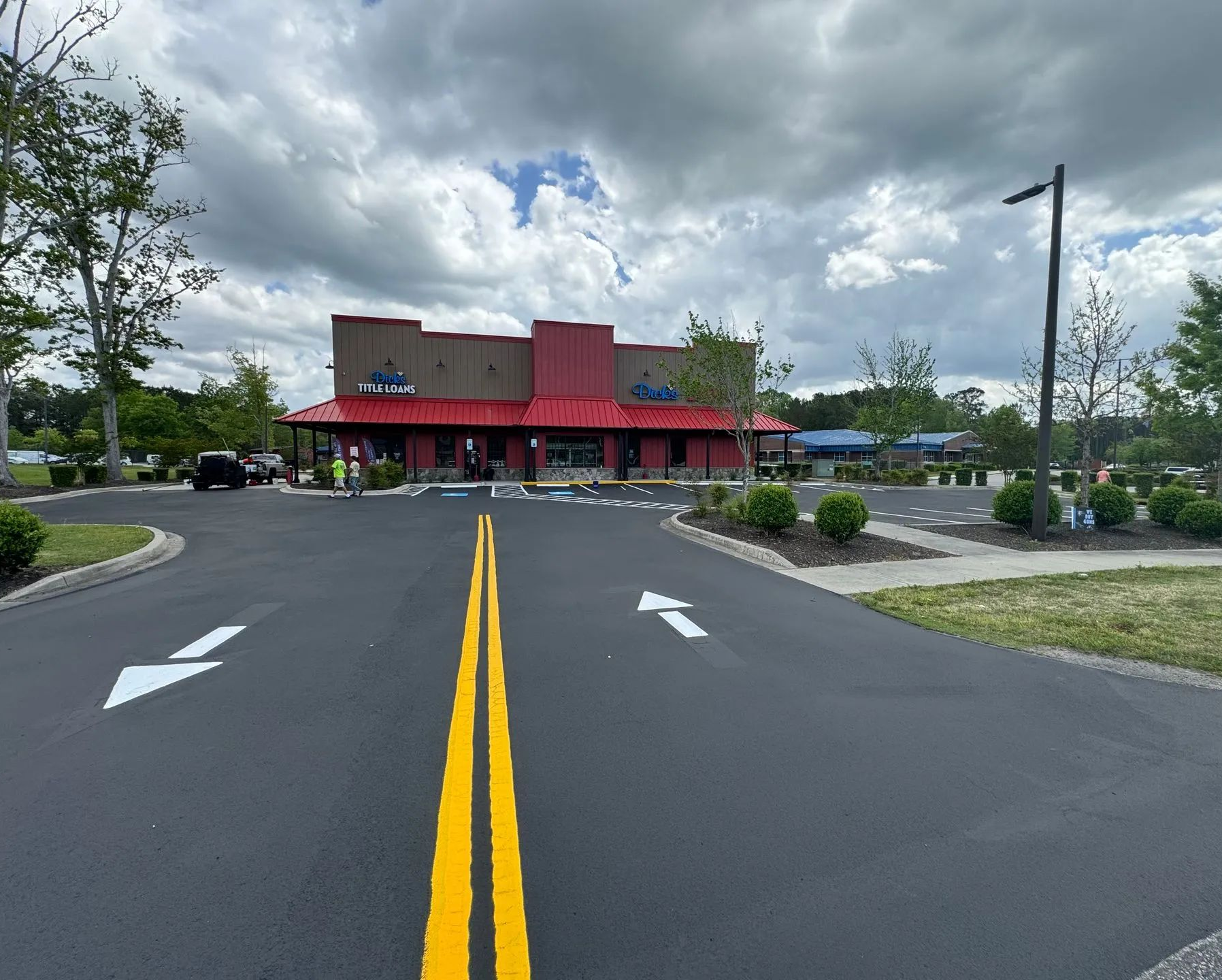
A well-maintained asphalt surface instantly improves visual appeal. Clean, smooth, and even surfaces convey professionalism and care, which are critical for commercial properties, rental units, and residential homes alike.
Real-World Scenario: A retail complex in a high-traffic area saw a noticeable increase in customer visits after minor crack sealing and pothole patching. The repairs created a polished appearance, reflecting positively on tenants and property managers.
Increased Property Value
Small asphalt repairs directly impact property valuation. Appraisers and potential buyers often consider pavement condition as part of the overall property assessment. Repairs signal proactive maintenance, which translates to higher perceived value.
Actionable Insight: Routine inspections and minor repairs can delay the need for expensive full resurfacing projects, offering a cost-effective method to protect and potentially increase property value.
Safety and Liability Reduction
Damaged asphalt can lead to trips, falls, and vehicle damage, creating liability concerns for property owners. Minor repairs reduce these risks, fostering a safer environment for visitors and occupants.
Expert Advice: Implementing a maintenance schedule that includes regular asphalt inspections, crack sealing, and pothole repair reduces liability exposure and demonstrates due diligence in property management.
3. Effective Techniques for Minor Asphalt Repairs
Crack Sealing
Crack sealing is a preventive maintenance measure that fills fissures to keep water out and maintain asphalt integrity.
Types of Sealants:
- Hot Pour: Best for larger or actively widening cracks.
- Cold Pour: Cost-effective for smaller, less severe cracks.
Best Practices: Clean debris from cracks, ensure the surface is dry, and apply sealant evenly to achieve maximum adhesion and longevity.
Patching Potholes
Pothole repair can be done using various methods, depending on severity and traffic volume:
- Cold Mix Asphalt: Ideal for temporary or emergency repairs.
- Hot Mix Asphalt: Provides a more permanent solution, often used for high-traffic areas.
- Infrared Repair: Reheats existing asphalt for seamless integration with the surrounding surface.
Expert Tip: Compacting the patch thoroughly is crucial to prevent premature deterioration and ensure smooth surface transition.
Surface Dressing and Sealcoating
Sealcoating protects asphalt from UV rays, water, and chemical spills, extending its lifespan. Surface dressing involves spreading a thin layer of asphalt emulsion mixed with aggregate, which fills minor surface imperfections and enhances appearance.
Real-World Example: A residential neighborhood improved both curb appeal and pavement longevity through annual sealcoating combined with selective crack sealing. Property owners reported fewer costly repairs over a five-year period.
4. Timing and Frequency of Asphalt Maintenance
Seasonal Considerations
Asphalt expands and contracts with temperature fluctuations. The best time for minor repairs is during mild, dry conditions, avoiding extreme heat or cold. Early spring or fall is generally optimal.
Expert Insight: Performing repairs before winter prevents water infiltration and freeze-thaw damage, which are major contributors to asphalt deterioration.
Routine Inspections
Regular inspection schedules help identify small issues before they escalate. A quarterly visual assessment combined with annual professional evaluations ensures proactive maintenance.
Actionable Steps:
- Walk the property or parking area to check for cracks, potholes, and edge wear.
- Document damage locations and severity for efficient repair planning.
- Address minor damage immediately rather than waiting for major deterioration.
Cost-Benefit Analysis
Small repairs are significantly more affordable than complete resurfacing. Investing in minor asphalt maintenance can reduce long-term costs, protect property value, and avoid emergency repairs that disrupt operations.
Example: Repairing 50 square feet of cracked asphalt might cost a few hundred dollars, whereas replacing the same area could exceed several thousand. The return on investment makes minor repairs a smart financial decision.
5. Challenges and Considerations in Small Asphalt Repairs
Material Selection
Choosing the right asphalt mix or sealant is essential for durability. Poor-quality materials may fail prematurely, negating the benefits of repairs.
Expert Advice: Select materials rated for local climate conditions and traffic load. High-quality hot mix or cold pour sealants designed for freeze-thaw cycles ensure longer-lasting repairs.
Skill and Technique
While some minor repairs can be DIY projects, proper technique is critical for longevity. Inadequate cleaning, insufficient compaction, or uneven application can result in rapid deterioration.
Best Practice: For optimal results, hire experienced professionals familiar with local standards, repair methods, and traffic considerations.
Environmental Factors
Weather conditions, drainage issues, and heavy traffic affect the performance of repairs. Water pooling and poor slope design can compromise even well-executed patches.
Actionable Insight: Evaluate drainage and consider additional grading or base reinforcement where water accumulation is an issue. Combining minor repairs with preventative measures ensures durable results.
6. Long-Term Strategies to Protect Asphalt Investment
Preventive Maintenance Programs
Establishing a structured preventive maintenance program maximizes the lifespan of asphalt surfaces. This includes routine inspections, timely crack sealing, pothole repairs, and periodic sealcoating.
Expert Reasoning: Properties that implement preventive programs report fewer emergency repairs, lower costs, and consistent surface quality, directly supporting property value retention.
Proper Drainage and Base Support
Asphalt longevity depends on a stable base and effective water drainage. Even small repairs fail prematurely if underlying structural issues remain unaddressed.
Real-World Example: A commercial parking lot experienced recurring edge crumbling until the underlying base was reinforced and a proper drainage system installed. Subsequent minor repairs lasted for years, significantly improving property usability and appearance.
Record-Keeping and Documentation
Maintaining detailed records of repairs, materials used, and inspection dates supports property management and appraisal processes. Prospective buyers and appraisers often consider this documentation as evidence of proactive care.
Actionable Tip: Keep a digital or physical log with photos, repair details, and contractor information to streamline future maintenance and demonstrate property value preservation.
Making Strategic Minor Repairs for Maximum Impact
Minor asphalt repairs, while seemingly small, provide a strategic advantage in property management and value enhancement. By addressing cracks, potholes, edge deterioration, and surface wear proactively, property owners prevent larger, more expensive issues. Combining technical repair methods with preventive maintenance, proper material selection, and seasonal timing ensures durable results. Regular inspections, record-keeping, and drainage management complement repair efforts, amplifying the long-term benefits. The cumulative effect of small repairs is significant: enhanced curb appeal, increased safety, reduced liability, and measurable improvements in property value.
Ensuring Safety and Value With Asphalt Maintenance
Investing in small asphalt repairs delivers substantial returns in property value, safety, and aesthetics. Addressing surface cracks, potholes, edge deterioration, and other minor issues early prevents larger structural problems, reduces long-term costs, and ensures a smooth, visually appealing exterior. By combining expert repair techniques, preventive maintenance, and seasonal timing, property owners can maximize asphalt longevity and enhance property marketability. Proper material selection, skilled application, and effective drainage further protect investment, creating a resilient and attractive surface that leaves a positive impression on visitors, tenants, and buyers alike.
At Able Asphalt Paving Inc., we bring 15
years of experience serving property owners in Myrtle Beach, South Carolina, offering reliable and
expert asphalt repair solutions. Our team specializes in minor and preventive repairs, including crack sealing, pothole patching, edge restoration, and sealcoating, ensuring long-lasting durability and enhanced curb appeal. Committed to professionalism, quality workmanship, and customer satisfaction, we help clients protect property value and extend the life of their asphalt surfaces. Trust Able Asphalt Paving Inc.
to deliver comprehensive, efficient, and cost-effective solutions that make a tangible difference to your property’s appearance and market worth.