
Grading and Base Installation: The Foundation of Durable Pavement
December 17, 2025
The longevity and performance of any paved surface—whether it is a residential driveway, commercial parking lot, or public roadway—depend heavily on the quality of its underlying structure. While asphalt or concrete surfaces often receive the most attention, the unseen layers beneath, specifically grading and base installation, are critical to ensuring a durable and stable pavement. Proper grading provides the foundation’s slope and drainage, preventing water accumulation that can lead to structural failure. Similarly, a well-prepared base distributes loads evenly, minimizes settlement, and supports the pavement above, reducing the likelihood of cracks, potholes, and deformation over time.
Neglecting these initial steps can result in costly repairs, premature deterioration, and safety hazards. In the paving industry, professionals recognize that investing time and resources in accurate grading and robust base installation is far more cost-effective than frequent maintenance or reconstruction. This blog explores the fundamental principles, techniques, and best practices for grading and base installation, offering actionable insights for contractors, property owners, and civil engineers alike. By understanding these critical processes, stakeholders can make informed decisions that extend pavement life, enhance performance, and maximize return on investment.
1. Understanding Grading in Pavement Construction
What Is Grading?
Grading is the process of shaping the land to achieve the desired surface slope, ensuring proper drainage and preparing the subgrade for base installation. It involves cutting high areas, filling low areas, and creating a uniform surface to support the pavement. A correctly graded surface directs water away from the pavement, preventing water infiltration that can weaken both the base and the pavement layers.
Importance of Proper Grading
Proper grading is essential to prevent water-related pavement failures. Water is the primary enemy of asphalt and concrete, as it can lead to erosion, subgrade weakening, and potholes. By establishing a precise slope—typically between 1% and 2% for roadways and parking lots—engineers ensure that rainwater and runoff are efficiently channeled to drainage systems. Proper grading also provides a consistent surface for base installation, minimizing settlement and unevenness.
Tools and Techniques for Grading
Modern grading employs a combination of traditional equipment, such as bulldozers and motor graders, and advanced technology like laser-guided grading systems. Laser-guided systems enhance accuracy, reduce manual errors, and optimize material usage. Experienced contractors often perform multiple passes, checking slope, compaction, and contour to achieve a smooth and consistent subgrade.
2. Subgrade Preparation: Laying the Groundwork
Assessing Subgrade Conditions
Before base installation, assessing the subgrade is crucial. The subgrade is the natural soil layer that supports the pavement system. Soil type, moisture content, and compaction level determine its load-bearing capacity. Clay soils, for instance, may require stabilization due to their tendency to expand and contract with moisture changes, while sandy soils may need additional compaction for stability.
Soil Stabilization Methods
When subgrade soil lacks adequate strength, stabilization techniques are employed. Common methods include mixing cement, lime, or fly ash into the soil to improve its structural properties. Geotextile fabrics are also used to separate weak soils from the base material, enhancing load distribution and reducing erosion risks. These techniques ensure a firm foundation, preventing uneven settlement and pavement distress.
Compaction Standards
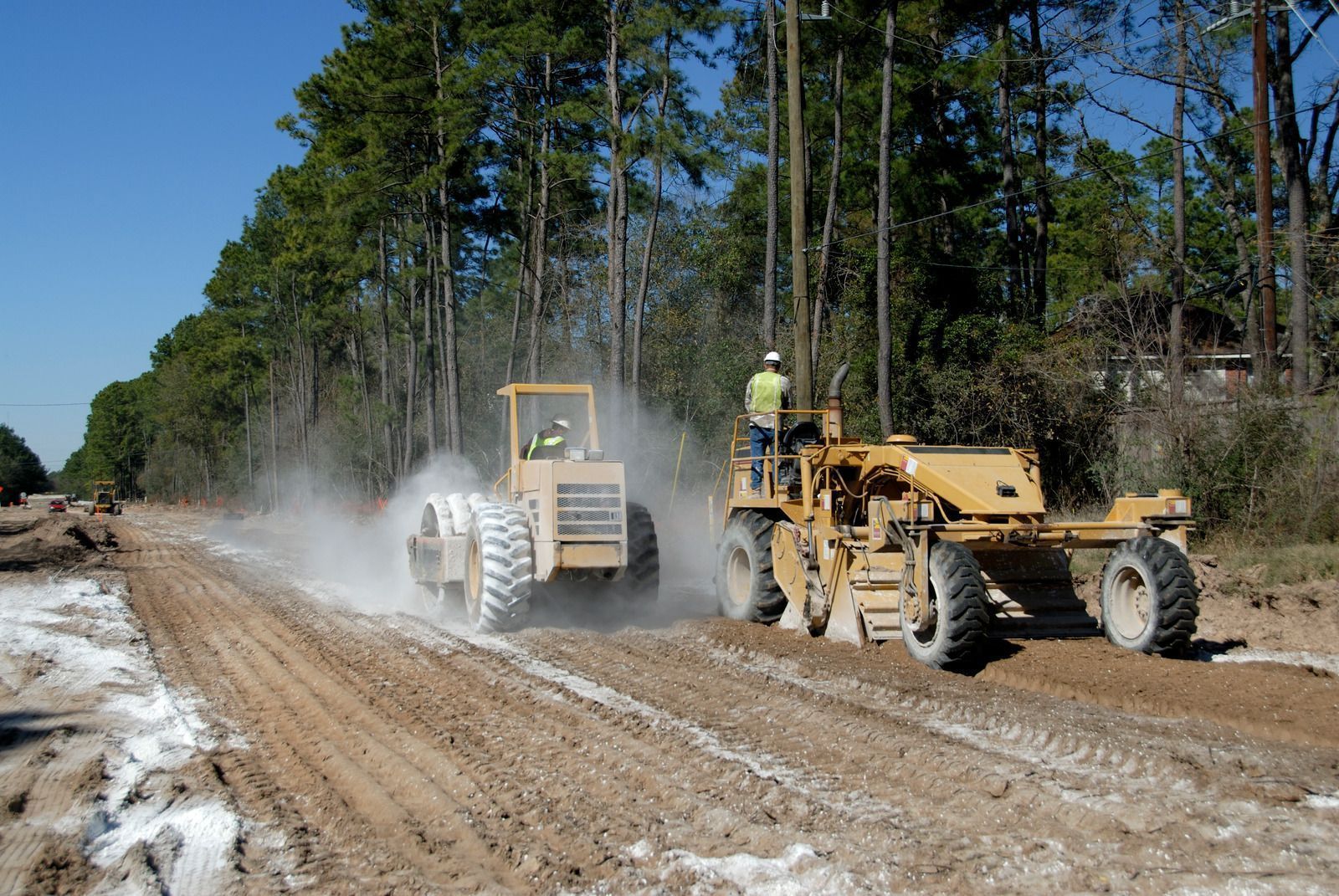
Compaction is a critical step in subgrade preparation. Using rollers and vibratory compactors, contractors achieve uniform density and reduce voids in the soil. The degree of compaction is measured using in-situ tests like the Proctor test or nuclear density testing. A well-compacted subgrade minimizes differential settlement, ensuring the pavement above remains even and durable.
3. Base Installation: Building a Strong Support Layer
Purpose of the Base Layer
The base layer sits directly above the subgrade and provides structural support for the pavement. It distributes traffic loads evenly, minimizes stress on the subgrade, and improves drainage. Depending on the project’s requirements, base materials may include crushed stone, gravel, or stabilized aggregates, each offering specific benefits in terms of strength and permeability.
Types of Base Materials
- Granular Base: Composed of crushed stone or gravel, granular bases offer excellent drainage and load distribution. These are common in residential and light commercial applications.
- Stabilized Base: When higher load-bearing capacity is required, a stabilized base combines aggregates with binders like cement or asphalt emulsion. This enhances durability for roads and heavy-use parking lots.
- Recycled Materials: Reclaimed asphalt pavement (RAP) or crushed concrete can be used to construct environmentally friendly base layers while maintaining structural integrity.
Base Layer Installation Techniques
Installation begins with spreading the base material in uniform layers, typically 4–6 inches thick. Each layer is compacted thoroughly to achieve desired density. Proper moisture content is maintained during compaction to ensure optimal cohesion. Contractors often use motor graders and vibratory rollers to achieve a smooth, well-graded surface ready for paving.
4. Ensuring Effective Drainage
Drainage Considerations
Drainage is a key factor in pavement longevity. Standing water accelerates pavement deterioration, weakens the subgrade, and promotes erosion. Proper grading and base design direct water away from the pavement into appropriate channels or stormwater systems.
Surface vs. Subsurface Drainage
- Surface Drainage: Achieved through sloping the pavement and surrounding areas, ensuring water runs off to gutters, swales, or drains.
- Subsurface Drainage: Involves installing perforated pipes or geotextile-wrapped drains beneath the pavement to remove excess water from the subgrade or base. This is particularly important in areas with high groundwater levels or heavy rainfall.
Best Practices for Drainage Integration
Experts recommend combining surface and subsurface drainage measures for maximum effectiveness. Regular maintenance of drainage systems, such as cleaning debris from channels and inspecting subsurface pipes, further ensures that water does not compromise pavement integrity over time.
5. Challenges and Common Pitfalls
Subgrade Issues
Unstable or poorly compacted subgrade is a major cause of pavement failure. Soft spots, high moisture content, or uneven grading can lead to settlement, rutting, or cracking. Early detection through soil testing and proper stabilization can prevent these problems.
Base Material Problems
Using incorrect or poorly graded base materials can reduce load distribution efficiency. Oversized aggregates, insufficient compaction, or inconsistent thickness may create weak points, leading to pavement distress under traffic. Selecting the right material and following meticulous installation protocols is essential.
Environmental Factors
Weather conditions, such as heavy rain or freezing temperatures, can affect grading and base installation. Wet conditions may hinder compaction, while freezing and thawing cycles can destabilize the subgrade. Contractors must account for seasonal conditions and adjust construction schedules and techniques accordingly.
6. Best Practices for Long-Lasting Pavement
Detailed Planning and Surveying
Accurate surveying and project planning are fundamental. Identifying existing soil conditions, drainage patterns, and load requirements ensures that grading and base design meet performance goals.
Layered Installation and Compaction
Installing the base in layers and compacting each increment optimizes density and structural integrity. Compaction should be verified through field tests, ensuring uniformity and reducing the risk of future settlement.
Continuous Monitoring and Quality Control
Regular inspections during grading and base installation help identify issues early. Monitoring moisture levels, material placement, and compaction ensures that the foundation meets engineering standards.
Maintenance Considerations
Even the best-constructed pavement benefits from proactive maintenance. Monitoring drainage systems, addressing minor settlements, and ensuring base integrity over time prolong pavement life and reduce repair costs.
7. Real-World Applications and Case Studies
Residential Driveways
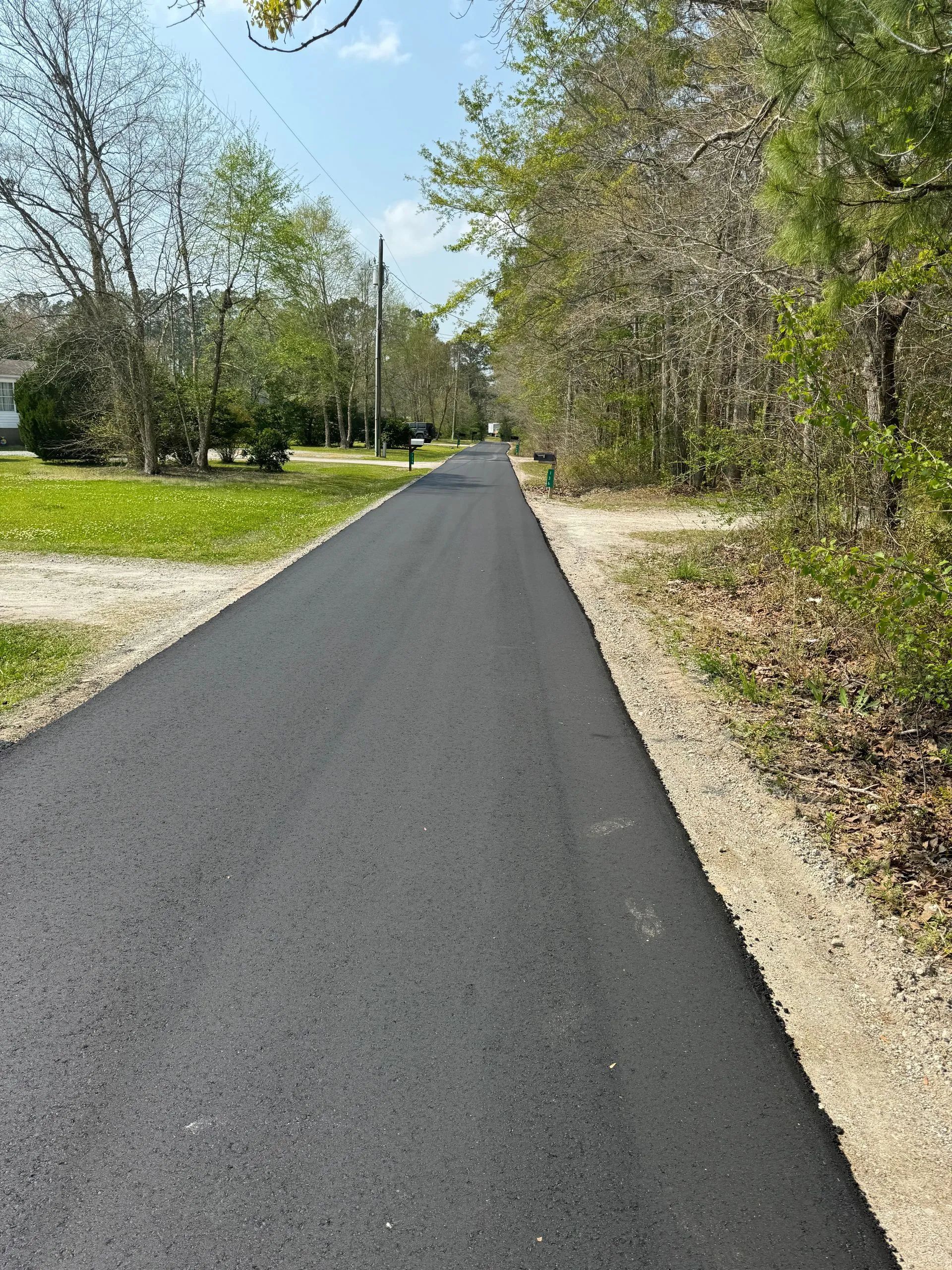
A well-graded driveway with a properly installed base prevents rutting, cracking, and water pooling. Homeowners often underestimate the importance of the subgrade, but investment in grading and base installation can save thousands in repairs over the life of the driveway.
Commercial Parking Lots
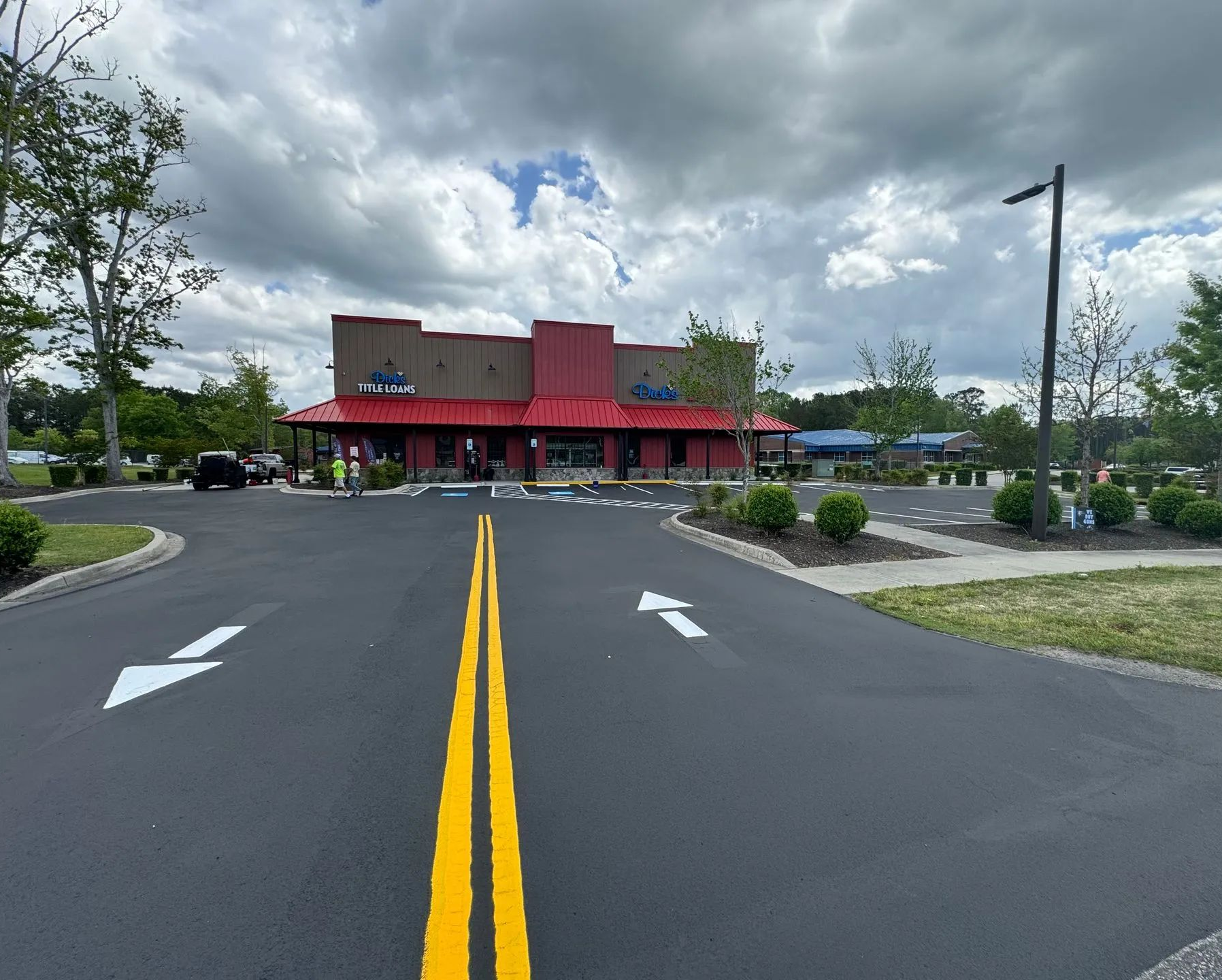
High-traffic parking lots demand robust base layers to withstand constant vehicular loads. Granular or stabilized bases, combined with precise grading, provide uniform load distribution and reduce maintenance needs. Proper drainage integration ensures long-term performance and customer safety.
Roadway Construction
Roadways are subjected to heavy loads and environmental stressors. Engineering studies consistently show that roads with inadequate subgrade preparation or base installation fail prematurely. Techniques like soil stabilization, layered compaction, and subsurface drainage installation have proven critical in extending roadway lifespan.
Strengthening Pavement Longevity Through Expertise
Durable pavement starts from the ground up. Grading and base installation are not merely preparatory steps—they are critical investments in the future performance of any paved surface. By prioritizing soil assessment, proper compaction, appropriate base materials, and effective drainage, contractors can ensure that pavement structures withstand traffic loads, environmental challenges, and the test of time.
Maximizing Pavement Lifespan with Proper Foundation Techniques
Grading and base installation form the backbone of any successful paving project. Proper subgrade preparation, precise grading, appropriate base material selection, and effective drainage collectively determine the durability, safety, and performance of paved surfaces. Neglecting these foundational steps can lead to premature pavement failure, increased maintenance costs, and safety hazards. By adhering to best practices and industry standards, stakeholders can extend pavement life, minimize repairs, and ensure efficient load distribution.
For those seeking reliable paving solutions, Able Asphalt Paving Inc., based in Myrtle Beach, South Carolina, exemplifies excellence in grading and base installation. With 15
years of hands-on experience, the company combines technical expertise with meticulous attention to detail, delivering pavement foundations that last. Their team evaluates subgrade conditions, selects optimal base materials, and implements precise grading and compaction techniques tailored to each project. Clients benefit from durable, well-drained, and high-performing pavements backed by a trusted, experienced contractor committed to quality and long-term results.