
Comparing Asphalt vs. Concrete Driveways: What Works Best for Your Home
March 11, 2026
When homeowners consider upgrading or installing a new driveway, one of the first and most significant decisions is the choice of material. Driveways are more than just functional surfaces for parking vehicles—they contribute to a home's curb appeal, influence maintenance costs, and can even affect long-term property value. Asphalt and concrete are two of the most popular options, each offering distinct advantages, challenges, and aesthetic possibilities. Understanding the differences between these materials is crucial for making an informed decision that aligns with your lifestyle, climate, and budget. Beyond practical considerations, the choice of driveway material can also impact safety, vehicle wear, and even environmental factors such as heat absorption and runoff. Making the right selection ensures a balance between beauty, functionality, and long-term cost-effectiveness.
This comparison is particularly relevant as homeowners increasingly seek durable, cost-effective solutions that also complement their property’s design. Asphalt is known for its flexibility and faster installation, whereas concrete is celebrated for its longevity and design versatility. However, the choice is rarely straightforward. Factors such as climate conditions, maintenance requirements, initial cost, and long-term durability play a critical role in determining which option is best for your home. Additionally, neighborhood aesthetics, property slope, and anticipated traffic patterns can influence which material will perform best over time. By examining these elements in detail, this guide aims to provide homeowners with the insight and confidence needed to make a decision that will serve their property well for decades.
1. Durability and Lifespan
Asphalt Driveways
Asphalt driveways are known for their flexibility, which allows them to handle minor ground shifts without cracking extensively. Typically, a well-installed asphalt driveway can last between 15 to 20 years, although this lifespan heavily depends on proper installation and routine maintenance. Asphalt performs exceptionally well in colder climates because its pliable nature helps it resist cracking under freeze-thaw cycles.
Benefits:
- Quick installation and repair.
- Can be resurfaced, extending lifespan without full replacement.
- Handles temperature fluctuations effectively.
Challenges:
- Requires periodic sealing every 2–3 years to prevent oxidation and surface wear.
- Susceptible to softening in extreme heat, potentially causing surface rutting.
Concrete Driveways
Concrete driveways are prized for their longevity and solid structure. With proper installation, a concrete driveway can last 30 years or more, making it a long-term investment. Concrete is highly resistant to everyday wear, including heavy vehicles and frequent foot traffic.
Benefits:
- High durability and strength.
- Resistant to oil stains and chemical spills when properly sealed.
- Minimal maintenance compared to asphalt.
Challenges:
- Vulnerable to cracking in freeze-thaw climates unless reinforced.
- Repairing concrete can be more complex and costly.
Expert Tip: In regions with significant temperature swings, reinforcing concrete with steel or fiber mesh can help minimize cracking and enhance longevity.
2. Cost Considerations
Upfront Installation Costs
Cost is a major factor for most homeowners when choosing driveway materials. Asphalt generally has a lower initial cost than concrete, making it an attractive option for budget-conscious projects. On average, asphalt installation ranges from $3 to $5 per square foot, while concrete tends to fall between $6 and $10 per square foot, depending on finish, thickness, and local labor rates.
Long-Term Investment
While asphalt is cheaper initially, it requires more regular maintenance, including sealing and occasional patching. Concrete, though more expensive upfront, offers a lower maintenance burden and longer lifespan, which can offset initial costs over time.
Scenario Example
A homeowner installing a 1,000-square-foot driveway may pay $4,000 for asphalt versus $8,000 for concrete. Over 20 years, factoring in sealing and minor repairs for asphalt, the total cost may approach or exceed the cost of concrete, making the investment in concrete more economical in the long run.
Hidden Costs
- Asphalt can soften in high temperatures, requiring resurfacing or repair.
- Concrete may need occasional joint maintenance and sealing to prevent stains and surface deterioration.
3. Maintenance and Upkeep
Asphalt Maintenance
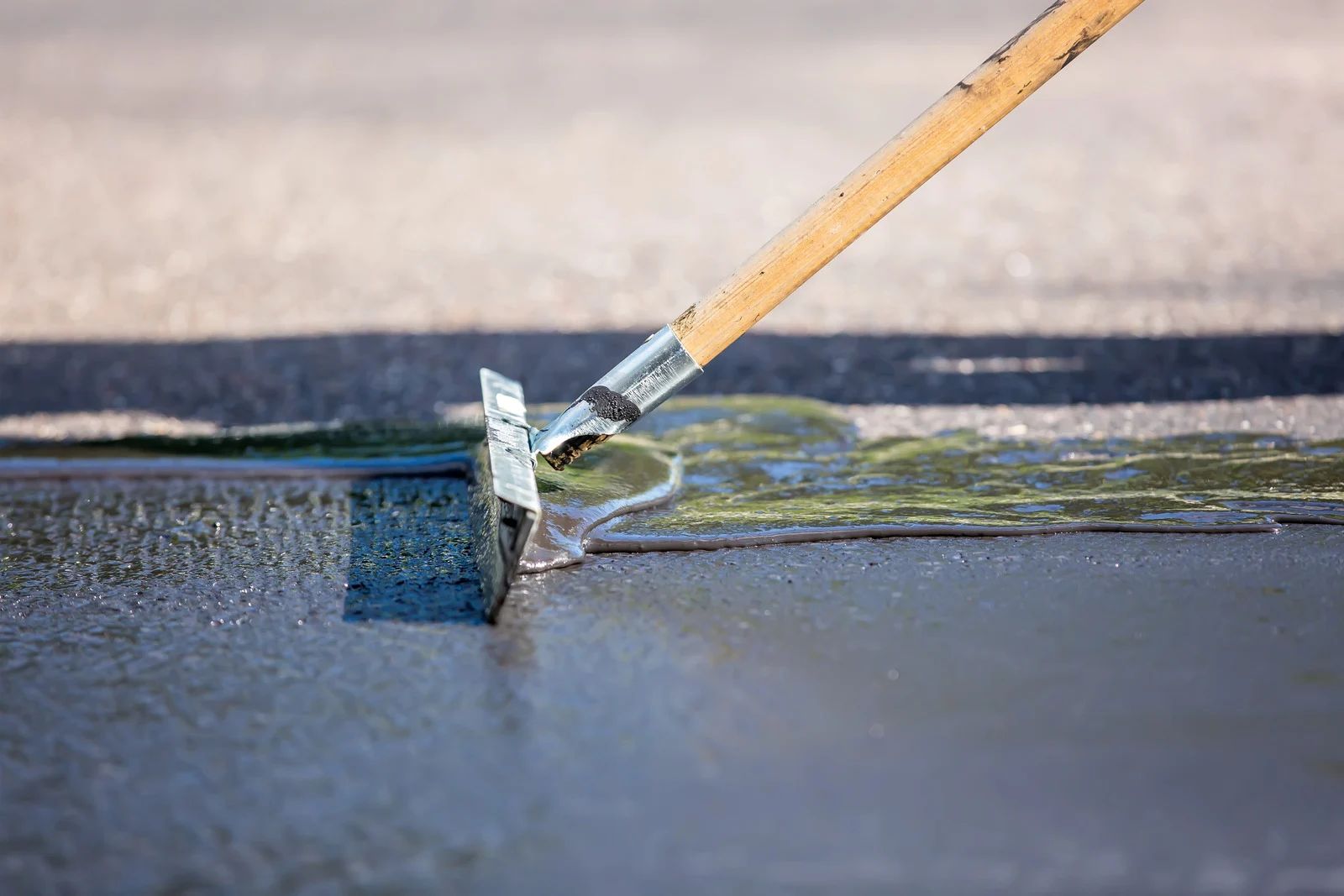
Asphalt is relatively easy to maintain but requires attention to prolong its lifespan. Sealing is essential to prevent water penetration, which can lead to potholes and cracking. Minor cracks can be repaired with patching compounds, and resurfacing every 10–15 years can refresh the driveway’s appearance.
Best Practices:
- Schedule regular inspections for cracks or potholes.
- Apply a sealcoat every 2–3 years.
- Avoid heavy chemical spills that can degrade the surface.
Concrete Maintenance
Concrete is low-maintenance but not maintenance-free. Cleaning is straightforward with power washing, and sealing every 3–5 years helps prevent stains, surface cracks, and moisture penetration. Expanding joints must be monitored to prevent uneven settling.
Best Practices:
- Use a mild detergent for cleaning; avoid acidic cleaners that damage the surface.
- Seal the surface to protect against stains and freeze-thaw damage.
- Address minor cracks immediately with filler or sealant to prevent spreading.
Real-World Insight:
For homeowners seeking minimal maintenance, concrete is often preferred despite the higher upfront cost, whereas asphalt appeals to those willing to perform periodic upkeep for a lower initial expense.
4. Aesthetic Options and Design Flexibility
Asphalt Aesthetics
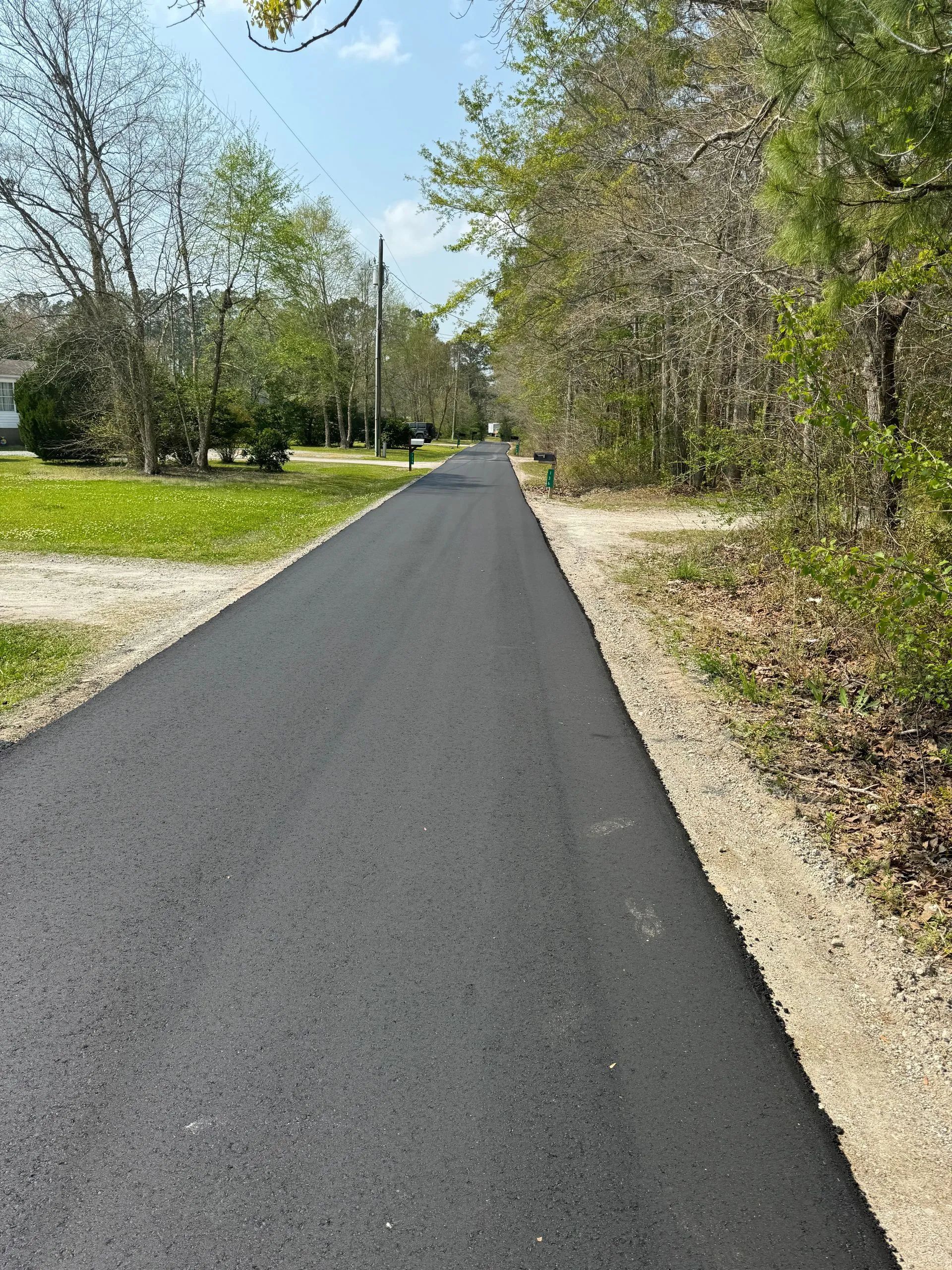
Asphalt provides a classic, uniform black finish, which can enhance the visual appeal of modern or traditional homes. It can be accented with borders or stamped textures, but customization options are relatively limited compared to concrete.
Advantages:
- Provides a sleek, smooth appearance.
- Heat-absorbing black surface can help snow melt faster in cold climates.
Limitations:
- Color options are minimal.
- Limited patterns or textures for decorative purposes.
Concrete Aesthetics
Concrete offers a wide range of design options, making it ideal for homeowners seeking a visually appealing driveway. Stamped, stained, or polished concrete can mimic natural stone, brick, or tile, providing a customizable solution for diverse architectural styles.
Advantages:
- Extensive color, pattern, and texture options.
- Can include decorative features such as borders, inlays, or engraved designs.
Limitations:
- Decorative finishes may increase installation costs.
- Requires proper sealing to maintain color and prevent fading.
Example:
A suburban home with a traditional brick façade may benefit from a stamped concrete driveway resembling cobblestone, creating a seamless aesthetic appeal that asphalt cannot replicate.
5. Climate Considerations
Asphalt Performance by Climate
Asphalt is ideal for colder climates due to its flexibility, which reduces the risk of cracking during freeze-thaw cycles. However, in extremely hot regions, asphalt can soften under direct sunlight, leading to ruts or surface deformation if heavy vehicles are regularly parked.
Concrete Performance by Climate
Concrete excels in hot climates because it does not soften like asphalt. However, in areas with severe freeze-thaw cycles, concrete can crack if not properly reinforced or sealed. Using high-performance concrete mixes with air-entrainment can mitigate these issues.
Expert Insight:
Homeowners in northern regions may choose asphalt for its freeze-thaw resilience, while those in southern or hot climates may prefer concrete for its heat tolerance and minimal deformation.
6. Environmental Impact and Sustainability
Asphalt Considerations
Asphalt is a petroleum-based product, which raises environmental concerns. However, modern asphalt can be recycled, and sealcoating technologies have improved, making it a more sustainable choice than in previous decades.
Sustainability Benefits:
- 100% of old asphalt can be reclaimed and reused.
- Reflective coatings can reduce heat absorption in urban areas.
Concrete Considerations
Concrete production is energy-intensive and contributes to carbon emissions, primarily due to cement manufacturing. However, advancements in concrete technology, including the use of supplementary cementitious materials, have reduced its environmental footprint. Concrete also lasts longer, potentially offsetting some environmental costs over time.
Example: A homeowner conscious of sustainability might select concrete for its durability and lower long-term replacement needs, or opt for recycled asphalt to minimize environmental impact while maintaining affordability.
Trusted Myrtle Beach Experts Ensuring Long-Lasting Driveways
Choosing between asphalt and concrete for your driveway involves evaluating multiple factors, including cost, durability, maintenance, aesthetics, and climate compatibility. Asphalt provides a flexible, cost-effective solution with faster installation and effective performance in cold climates, though it requires regular sealing and maintenance. Concrete offers superior longevity, design versatility, and lower long-term upkeep but comes with higher initial costs and vulnerability to cracking in freeze-thaw conditions if not reinforced. Homeowners should also consider traffic patterns, vehicle weight, and neighborhood style when making a choice. Additionally, environmental impact, local regulations, and potential future renovations can influence the decision. By carefully assessing these factors, you can select a driveway material that balances performance, appearance, and long-term value for your property.
For homeowners seeking professional guidance and
high-quality driveway installation, Able Asphalt Paving Inc.
in Myrtle Beach, South Carolina, brings 15
years of experience to every project. Our team specializes in both asphalt and concrete driveway solutions, combining technical expertise with attention to detail. We help homeowners select the right material, design, and maintenance plan to ensure lasting performance and curb appeal. Our experts also provide personalized recommendations based on your property’s soil, drainage, and climate conditions. With a commitment to craftsmanship, reliability, and customer satisfaction, Able Asphalt Paving Inc.
is your trusted partner for durable, beautiful, and functional driveways. We also offer prompt, efficient installation schedules and ongoing support to ensure your driveway continues to perform flawlessly for years to come.